
KEY HIGHLIGHTS
- Global energy prices surged after Iran struck Qatar’s Ras Laffan LNG facility, escalating Middle East tensions.
- Brent crude jumped about 10% while European gas prices spiked up to 35%, raising concerns over fuel costs in Singapore.
- Singapore households and businesses should prepare for possible higher electricity and transport costs in the coming weeks.
Global oil and gas prices spiked sharply following attacks on Qatar’s key LNG infrastructure. The escalation raises immediate concerns for Singapore’s energy costs and inflation outlook.
Oil and gas prices surge after Qatar LNG strike
| Indicator | Change | Impact Timeline |
|---|---|---|
| Brent Crude Oil | +10% (intraday) | Immediate |
| European Gas Prices | +35% | Short-term |
| LNG Supply Risk | High disruption risk | Ongoing |
| Singapore Electricity Costs | Potential increase | Next tariff cycle |
What Happened: Qatar LNG Facility Targeted
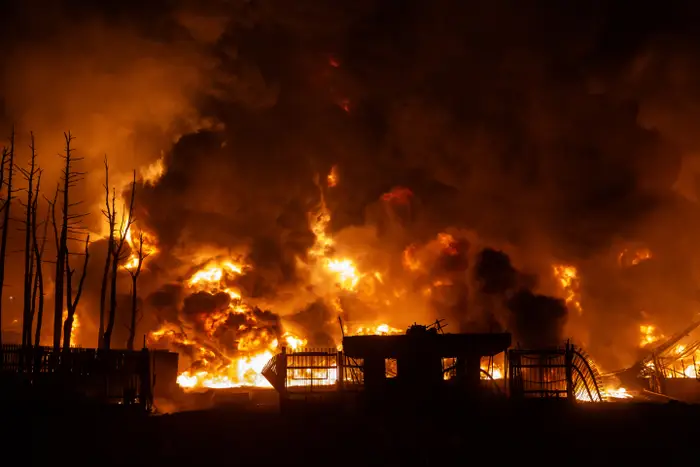
Iran launched strikes on Qatar’s Ras Laffan LNG facility, the largest liquefied natural gas hub globally. This follows earlier attacks on Iran’s South Pars gas field, escalating tensions across the Middle East.
Energy analysts note this marks a shift — direct targeting of production infrastructure, not just transport or storage.
Qatar remains a critical LNG supplier alongside the US and Australia. Any disruption has immediate global pricing consequences.
Why Oil and Gas Prices Jumped
Two key supply risks triggered the surge:

- LNG production disruption at Ras Laffan
- Threats to the Strait of Hormuz, which handles ~20% of global oil and LNG
With tanker movement already slowing, markets reacted quickly to supply uncertainty.
Singapore Impact: Higher Utility Bills Likely
Singapore imports almost all its energy, making it highly sensitive to global price shocks.
Potential effects include:
- Electricity tariff increases in upcoming review cycles
- Higher petrol and diesel prices
- Increased business operating costs, especially logistics and manufacturing
For households, this may translate into higher monthly utility bills.
Regional and Global Response
Leaders across Europe and Asia warned of long-term consequences:

- France highlighted risks to global energy stability
- UK and NATO raised concerns over attacks on infrastructure
- UAE and Saudi Arabia warned of broader economic fallout
The situation remains volatile, with no clear timeline for de-escalation.
Why This Matters
For Singapore, energy price shocks directly affect:
- Cost of living (utilities, transport, food prices)
- Business margins, especially SMEs
- Inflation trends, influencing policy decisions
Given Singapore’s reliance on imported LNG, prolonged disruption could lead to sustained price pressure.
This also increases interest in energy efficiency programmes, renewable investments, and cost-saving strategies — all high-priority areas for households and firms.
What You Should Do Now
- Monitor upcoming SP Group tariff updates
- Consider reducing energy consumption at home
- Businesses should review fuel and electricity cost projections
- Stay updated via official government advisories
FAQs
Will electricity prices increase in Singapore?
Likely, if global gas prices remain elevated. Adjustments usually follow quarterly tariff reviews.

Why is Singapore affected by Middle East tensions?
Singapore imports natural gas for power generation, making it vulnerable to global supply disruptions.
How long will price increases last?
It depends on how quickly geopolitical tensions stabilise. Prolonged conflict may sustain higher prices.
Are there government support measures?
Support may be introduced if cost pressures rise significantly, similar to past utility rebates.

